PLANNING FOR PRE-INSPECTIONS
By Kayvon Mohammadian ⋅ 01/31/2026
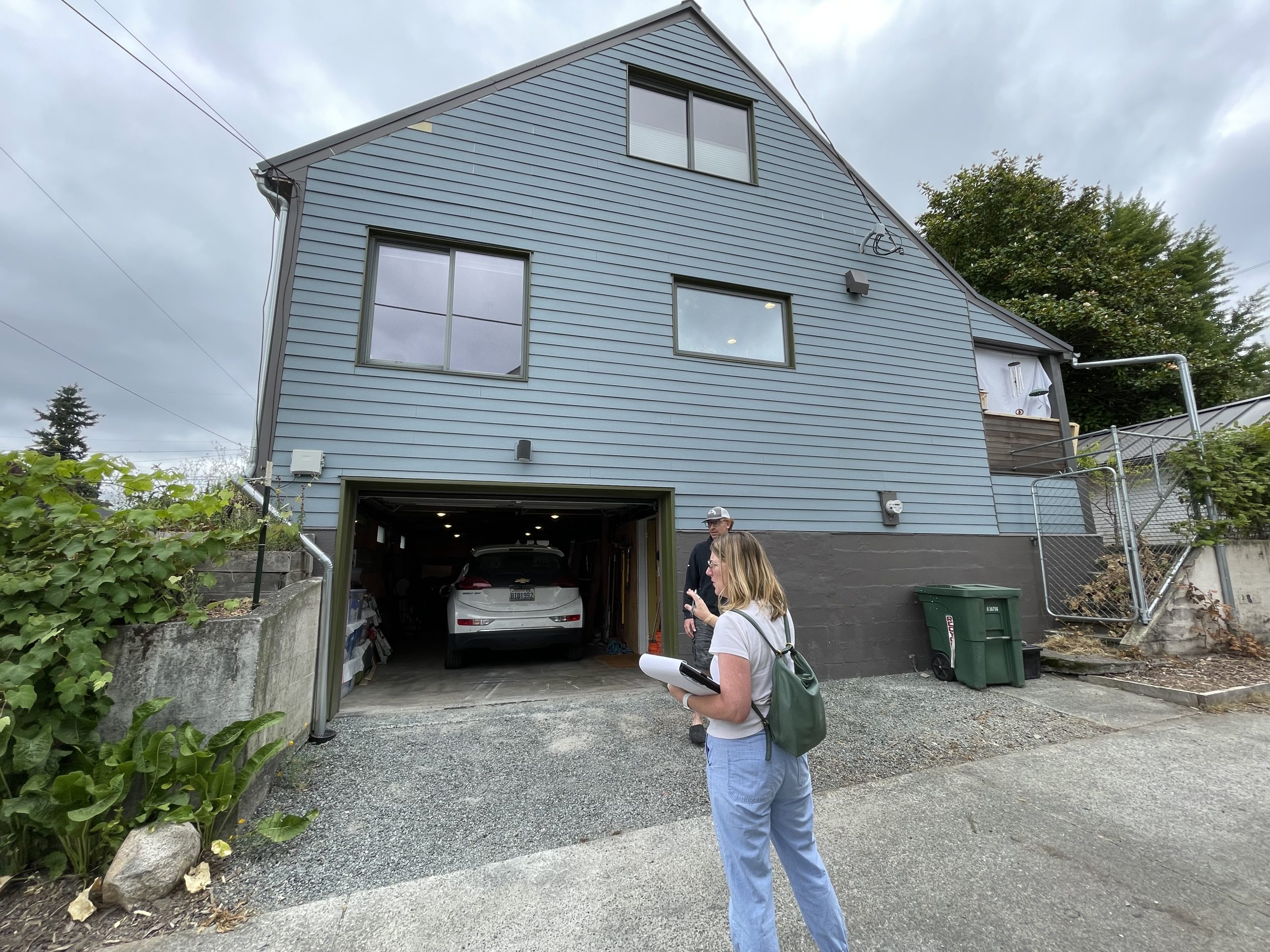
How to Plan for Pre-Inspection in a Competitive Market
One of the very first items that people think about when purchasing a home is the inspection. This is your chance to learn everything you can about its condition, defects, and deferred maintenance so you know what you’re getting yourself into. Planning for potential pre-inspections is an important first step in finding the right house for you.
Before our local housing market became so competitive, the norm was to have this done after the seller accepts your offer. However, now things move much quicker and buyers must do more to get a seller to accept their offer. Waiving their inspection contingency is a common tactic that immediately makes a buyer’s offer more attractive, but it is not without risk.
Read below to learn more about planning for pre-inspections and how to navigate the process safely and competitively.
Included In This Article:
1. Why Waiving the Inspection Contingency Strengthens Your Offer
2. Understanding Seller-Provided Inspections
3. Understanding Buyer Pre-Inspections
4. Budgeting for Multiple Pre-Inspections
5. The Bottom Line
Why Waiving the Inspection Contingency Strengthens Your Offer
When Competing for a Home, It's a Must Do
In competitive markets, waiving the inspection contingency often makes the difference between winning and losing a home. Sellers will always prefer offers without this contingency because it removes a major opportunity for the deal to fall apart.
During a traditional inspection period, buyers can renegotiate the price, request repairs, or back out entirely. If a buyer backs out with their inspection contingency they would be entitled to have their earnest money returned. Consequently, sellers view inspection contingencies as risky.
Buy "As Is" With Confidence
When you waive inspection, you're telling the seller you'll buy the home "as-is" at the agreed price. It can also speed up the closing period which sellers often value. In multiple-offer scenarios, this certainty often outweighs even higher-priced offers with contingencies.
While I frequently recommend that buyers waive the inspection contingency, it is only after reviewing a pre-inspection. Either by doing one themselves or relying on one provided by the seller. This ensures you know exactly what you're buying.
Understanding Seller Provided Pre-Inspections
A Good Seller Provided Pre-Inspection Helps Everybody
In today's competitive market, many sellers order their own inspections before listing their home. This benefits everyone involved as sellers can address issues upfront or price accordingly. Meanwhile, buyers can review the inspection without spending money on their own.
When a seller provides an inspection, they're showing transparency about the property's condition. Sellers are required by law to provide any home inspection they have and disclose any condition issues that may have been discovered.
Additionally, it saves every interested buyer from paying for their own inspection on a house that they may not get. With a seller provided inspection, multiple buyers can review the same report and make informed decisions.
Review With Caution
However, you should approach seller-provided inspections with caution. Not all inspection companies maintain the same standards. You and your agent should carefully review the report for thoroughness. If the report seems too clean or lacks detail, consider it a red flag. In that case, conduct your own pre-inspection with a trusted inspector.
Once you're satisfied with the seller's inspection, you can confidently waive your inspection contingency. This makes your offer more competitive while protecting yourself. You've already done your due diligence which means you can move forward knowing the home's true condition.
Understanding Buyer Pre-Inspections
A pre-inspection is when the buyer hires an inspector to evaluate a home before submitting an offer. You may decide to do a pre-inspection because the house you are targeting is going to be competitive and the seller has not provided an inspection. Or if the seller is providing an inspection but you don’t fully trust it or want to verify with your own inspection.
It's Cheap Insurance When Finding The Right Home
Pre-inspections give you a significant advantage in multiple-offer scenarios, especially if the seller is not providing one. You'll know exactly what repairs or issues exist before committing, which will help inform the rest of your offer. Also, if the inspection reveals major problems, you simply move on to the next property.
No one wants to pay for an inspection of a house that they do not end up buying but think of it as relatively cheap insurance. The lost cost of an inspection is better than buying a house that requires expensive repairs that you were not aware of.
Budgeting for Multiple Pre-Inspections
Plan For at Least a Couple
Now, let's talk about realistic budgeting. In today's market, I tell my buyers to plan to do at least a couple pre-inspections and sewer scopes. That means about $800-$1000 per house. These days, you will pay around $600 for the inspection and $275 for the sewer scope. So, you should set aside $2,000-$3000 for any potential pre-inspections you may need.
Of course, planning to spend thousands of dollars on inspections for homes you don’t ultimately buy feels like wasted money. We try to avoid this whenever possible, but it must be factored into the cost of buying a home.
Think of it like this, the median home price for a single family home in Seattle for 2025 was about $800,000. A few thousands of dollars to find the right home without a laundry list of repairs needed will be worth it in the long run.
In our current market, most sellers are providing their own inspections. So you hopefully won’t have to spend your own money on unneeded inspections but it’s good practice to be aware of this when you start your home search.
The Bottom Line When Planning for Pre-Inspections
Utilize Pre-Inspections and Get the House!
In a competitive housing market, expect to be required to waive the inspection contingency when competing for a home. This may require a cost to you upfront if the seller is not providing an inspection or you do not trust it. However, they save you from making costly mistakes. They also give you confidence to compete effectively. In a market where waiving inspection is often necessary, knowing the true condition matters. You need that information before you commit.
If you're starting your home search, I'm here to help. I can guide you through inspections and competitive offers so you find the right house. Reach out anytime to discuss your situation.
About the Author | Kayvon Mohammadian
 As a local Seattlite born and raised in West Seattle, Kayvon brings a deep love for the area and a passion for helping people navigate one of life's biggest decisions. After graduating from Bishop Blanchet High School in 2010 and Washington State University in 2014, Kayvon joined Windermere Real Estate in 2017. There he learned the craft from his mother, Cara Mohammadian, and her decades of experience in the industry. Now they work together as a team to provide the highest possible level of service for their clients. That foundation has given him not only the technical knowledge of the business, but also the relational skills it takes to truly serve clients during what can be one of the most emotionally and financially charged experiences of their lives.
Today, Kayvon combines the art and science of real estate to guide his clients through the complexities of buying and selling a home. Whether it's identifying a property with strong bones and timeless craftsmanship or recognizing those that fall short, Kayvon brings a keen eye for style and quality that goes beyond the listing sheet. He stays current on local market trends and statistics to ensure his clients are making informed, confident decisions not just with their hearts, but with their heads. With hundreds of clients served, his goal is to be a trusted guide and help each new client come out on top. Whether they're buying their first home or selling their next one.
When he's not helping clients, Kayvon is enjoying life in West Seattle with his wife (Maddie), two kids (Soraya and Kian), and dog (Philip J Fry). You can usually find him on Alki struggling to contain his two kids in a wagon as his dog pulls him along the beach or at home working on his house.