Do I Need a Sewer Scope When Buying a Home?
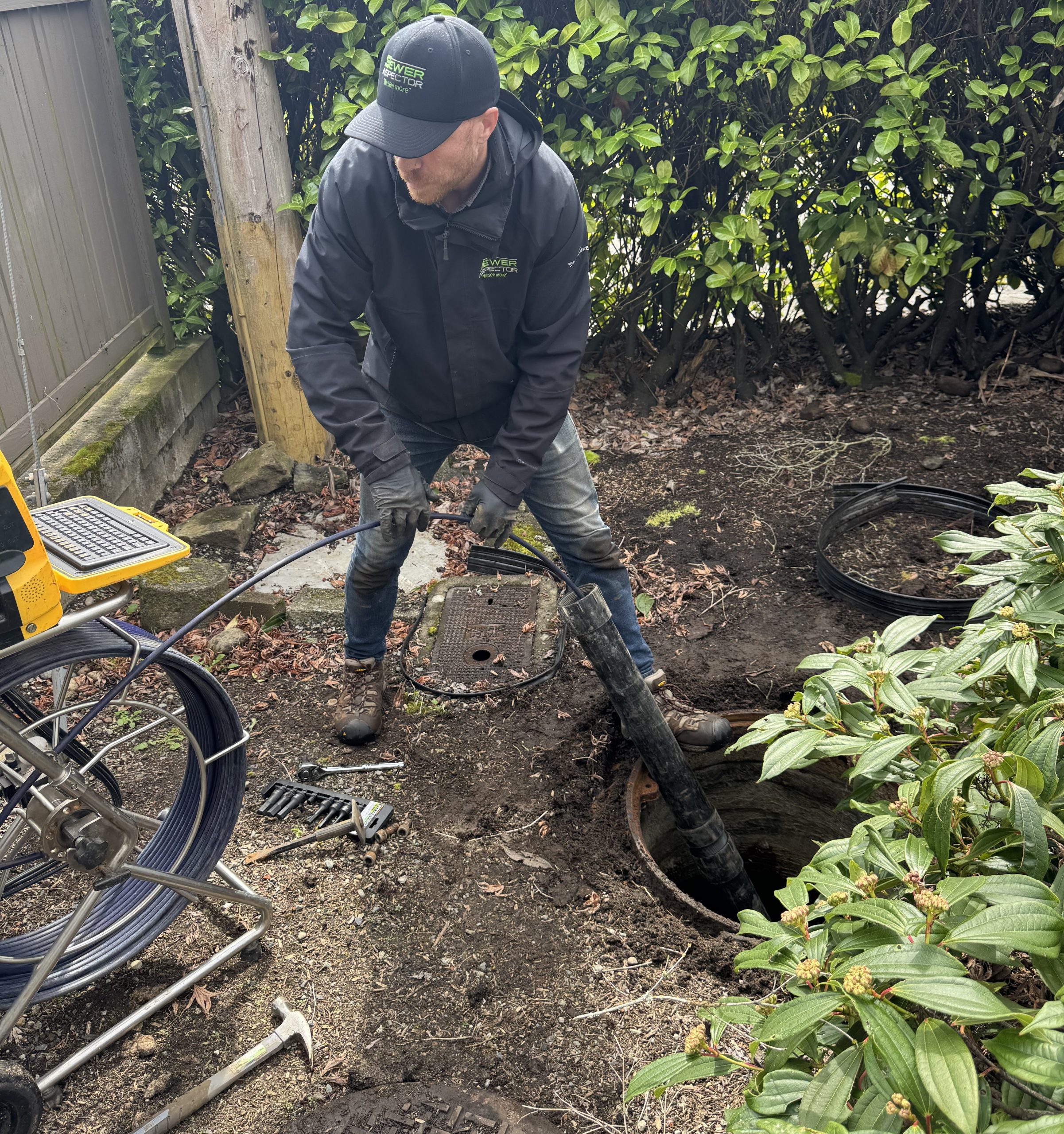
Mike from Sewer Inspector scoping a sewer line
When you're buying a home, it's easy to get caught up in the excitement of finally finding the right one. One thing many buyers find themselves asking is "do I need a sewer scope when buying a home?" My advice is always the same: do not overlook or underestimate a home's sewer line. That's where a sewer inspection comes in. Read more to learn everything you need to know about sewer scopes.
What this Article Includes:
1. What Is a Sewer Scope?
2. What Does the Inspector Look For?
3. Common Sewer Issues
4. Common Repairs Techniques
5. The Importance of Doing A Sewer Scope with Your Home Inspection
6. Negotiating Items from the Sewer Scope
7. Who to Trust
8. The Bottom Line
What Is a Sewer Scope?
Don’t Skip it During Your Home Inspection
A sewer scope is a video inspection of the home's sewer line, which runs from the house to the city's main sewer connection. An inspector uses a camera attached to a flexible cable to record footage of the interior and determine it’s condition. A sewer scope is generally not included in a standard home inspection, so any issues are unlikely to be discovered though that.
We always recommend our buyers get a sewer scope done while doing their due diligence and considering purchasing a home. The scope typically covers the entire length of the line, from the house all the way to where it connects to the main municipal system. This important inspection gives you a comprehensive look at the health of your sewer line so you can flush with peace of mind.
What Does the Inspector Look For?
What You Need to Know
During a sewer scope, the inspector is examining the condition, functionality, and structural integrity of the sewer line. They're checking for any signs of damage, blockages, or deterioration that could lead to backups, leaks, or complete failure.
They'll also assess the type of material the line is made from, the grade or slope of the pipe (to ensure proper drainage), and the quality of the connection to the city main. Essentially, they're looking for anything that could cause problems now or down the road — and in older homes, that list can be surprisingly long.
Common Sewer Issues
Cracks and Breaks
Sewer scopes often reveal a range of issues, some minor and some that require serious attention. Cracks and breaks in the pipe are among the most concerning, as they can allow wastewater to leak into the surrounding soil or let groundwater seep in, leading to backups and contamination. In extreme cases, leaking wastewater can wash away the soil under the line and cause the line to collapse.
Low Spots
Low spots or "bellies" in the line occur when sections of pipe sag, creating areas where waste and debris can collect and cause blockages over time. These low spots are a common occurrence in many sewer lines and not always a cause for concern. If water and debris are continuing to flow though it may require no action. However, you will want to be aware of them and monitor it in case it gets worse and leads to a blockage in the future.
Offsets
Offsets are another common occurrence when sections of pipe become misaligned at the joints, creating a lip where they meet. While a minor offset might not cause immediate problems, even a small one can catch debris and waste as it flows through the line. Over time, offsets can worsen as roots exploit the gap or as continued settling increases the misalignment.
Root Intrusions
Root intrusions are incredibly common around the Seattle area. It is especially likely in older homes with mature trees and large plants nearby. Tree roots are drawn to the moisture in sewer lines and can infiltrate through cracks or joints, eventually clogging or even crushing the pipe.
Deterioration
Deterioration is another frequent finding, particularly in homes built several decades ago. Pipes made from outdated materials like concrete, clay, or cast iron can deteriorate, crack, or collapse over time. Aging concrete sewer lines are a common issue in the Seattle area as they will eventually erode and the bottoms become more prone to breaks and cracks.
Breaks at the City Main
The connection to the city main is the final critical point of inspection. If this connection is faulty, damaged, or improperly installed, it can also lead to recurring backups. These issues are particularly concerning because any repairs will require coordination with the city. Main sewer lines are most often located in the middle of the street and repairing may require breaking open the street to access it. As you can imagine, this can result in the cost to repair growing exponentially so it’s one that we are always very cautious about.
Common Repairs Techniques
If your sewer scope uncovers issues, the good news is that there are several repair options available. A full sewer line replacement is actually quite uncommon and clever repairs can save you lots of money.
Jetting the Line
Jetting the line is one of the most straightforward and cost-effective solutions, especially for blockages caused by debris buildup or minor root intrusions. A high-pressure water jet is used to clear out the pipe, restoring flow and preventing backups. It's a relatively quick process and can extend the life of your sewer line significantly when done as part of regular maintenance.
Spot Repair
For more serious problems like cracks or breaks, a spot repair may be necessary. This involves excavating the area around the affected portion of the pipe, removing the damaged section, and replacing it with new material. While this sounds intensive, it's often localized to just one area rather than the entire line, making it far less costly than a full replacement. In many cases, only a few feet of pipe need to be addressed.
Sewer Lining
Another increasingly popular option is lining the sewer line, also known as trenchless repair or cured-in-place pipe (CIPP) lining. This method involves inserting a flexible, resin-coated liner into the existing pipe. It is then inflated and cured to form a new, seamless pipe within the old one. It's less invasive than traditional excavation, can address multiple issues at once, and often comes with a long warranty. While it's more expensive than jetting or a simple spot repair, it's still significantly cheaper than replacing the entire line.
Proactive Repairs Are Always Cheaper!
The key takeaway here is that proactive repairs, whether it's jetting, spot repairs, or lining, will always be far less costly than waiting until the sewer line fails completely and requires a full replacement. Catching problems early through a sewer scope and addressing them strategically can save you thousands of dollars and a lot of headaches down the road.
The Importance of Doing a Sewer Scope with Your Home Inspection
Sewer Scopes are Not Usually Included in a Home Inspection
Your general home inspection covers a lot of ground — the roof, foundation, electrical, plumbing fixtures, HVAC, and more. But a standard inspection doesn't include looking inside the sewer line. There are many ways that a sewer line can fail and you won’t know without a sewer scope. This separate service is one you absolutely shouldn't skip when deciding on your next home.
Repair Costs Start in the $1000’s – Don’t Get Stuck With Someone Else’s Problems!
Sewer line repairs or replacements can easily cost anywhere from a few thousand dollars to $20,000 or more. It’s largely dependent on the severity of the issue and the accessibility of the line. A shallow sewer line can be dug out by hand and easily repaired if needed.
However, if your sewer line is 4 feet deep or more, it requires more permits and safety measures and will add to the cost of the repair. A quality sewer inspection can also tell you how deep the line is and where exactly and breaks may be located to better help you plan for necessary repairs.
Sewer Scopes Allow You to Plan and Budget for Repairs
By getting a sewer scope done alongside your general inspection, you're getting a complete picture of the home's condition before you finalize the purchase. It's a small upfront cost (usually $250-300) that can save you from a major financial surprise down the road. Plus, if issues are found, you have the opportunity to address them during the negotiation phase.
I tend to think of a sewer scope as very cheap “insurance.” They are usually straightforward as there isn’t much ambiguity about any potential issues. You will also receive a written report with a video of the entire sewer line. With this, you can easily shop around the repairs to different contractors and get the best possible price.
Negotiating Items from the Sewer Scope
What to negotiate?
If your sewer scope reveals problems, you have options. Like any item that may come up on an inspection, your options are:
1. Negotiate with the seller to have the issues repaired before closing
2. Ask for a credit toward the cost of repairs
3. Adjust the purchase price to account for the work that needs to be done.
Be Very Specific With Your Negotiations
If you negotiate to have the seller repair the item before closing, be sure you are very specific about how you would like it done. As previously mentioned, you and your agent should send the sewer inspection to multiple sewer contractors. Be sure to their recommendations and bids for the repair so that you can include it in your negotiations. That allows you to choose the best course of option and specify exactly how you want the seller to repair it and which company to choose.
Be Prepared to Walk Away
In some cases, you may elect to walk away entirely if the sewer issues are extensive and the seller isn't willing to address them. The key is that the sewer scope gives you leverage and information. This information is invaluable during negotiations. Without it, you could be on the hook for expensive repairs just weeks or months after moving in, with no recourse. A sewer scope puts you in control, allowing you to make an informed decision and protect your investment.
Who to Trust?
Choose an Independent Sewer Inspector
When planning for a sewer scope for my clients, whether buyers or sellers, we always go with an independent sewer inspector. My favorite inspectors specialize in inspections and nothing else. This benefits you because they have no incentive to misrepresent the condition of a sewer line.
A company that does inspections as well as repairs may overstate the issues in hopes that you will hire them to conduct costly repairs. With a company that only does inspections, they mostly cater to people planning to buy or sell a property. They will know exactly what matters to you and how to move forward in the most cost effective way. Remember, you can take your inspection and use it to get repair bids from other companies if needed.
The Bottom Line
A sewer scope might not be the most exciting part of buying a home, but it's one of the smartest moves you can make. It uncovers hidden problems that could cost you tens of thousands of dollars, gives you negotiating power, and provides peace of mind that you're not inheriting someone else's sewer nightmare. When you're already investing in a home inspection, adding a sewer scope is a no-brainer.
About the Author | Kayvon Mohammadian
 As a local Seattlite born and raised in West Seattle, Kayvon brings a deep love for the area and a passion for helping people navigate one of life's biggest decisions. After graduating from Bishop Blanchet High School in 2010 and Washington State University in 2014, Kayvon joined Windermere Real Estate in 2017. There he learned the craft from his mother, Cara Mohammadian, and her decades of experience in the industry. Now they work together as a team to provide the highest possible level of service for their clients. That foundation has given him not only the technical knowledge of the business, but also the relational skills it takes to truly serve clients during what can be one of the most emotionally and financially charged experiences of their lives.
Today, Kayvon combines the art and science of real estate to guide his clients through the complexities of buying and selling a home. Whether it's identifying a property with strong bones and timeless craftsmanship or recognizing those that fall short, Kayvon brings a keen eye for style and quality that goes beyond the listing sheet. He stays current on local market trends and statistics to ensure his clients are making informed, confident decisions not just with their hearts, but with their heads. With hundreds of clients served, his goal is to be a trusted guide and help each new client come out on top. Whether they're buying their first home or selling their next one.
When he's not helping clients, Kayvon is enjoying life in West Seattle with his wife (Maddie), two kids (Soraya and Kian), and dog (Philip J Fry). You can usually find him on Alki struggling to contain his two kids in a wagon as his dog pulls him along the beach or at home working on his house.